WASHINGTON, DC — Health officials are warning doctors across the United States after reports of human rabies exposures rose this summer. The Centers for Disease Control and Prevention said the increase has been accompanied by treatment mistakes, including incorrect vaccine placement and improper use of immune globulin.
Rabies is a viral disease spread from infected animals to people through bites, scratches, or saliva. Once symptoms begin, it is almost always fatal, which is why the CDC is urging prompt post-exposure prophylaxis before symptoms appear.
The agency said the problem is not a shortage of rabies vaccine or immune globulin. Instead, it is trying to prevent avoidable errors, unnecessary treatment, and added strain on supplies.
CDC says inquiries jumped 17% from July through August
From July through August, the CDC said it received 17% more rabies-related inquiries than during the same period last year. The agency also said at least eight state health departments reported more use of rabies post-exposure prophylaxis, treatment errors, or both.
Those numbers suggest that more patients and clinicians are dealing with suspected exposures at the same time. The CDC did not say which states reported the increase, but it said the trend was broad enough to prompt a national health alert for medical providers.
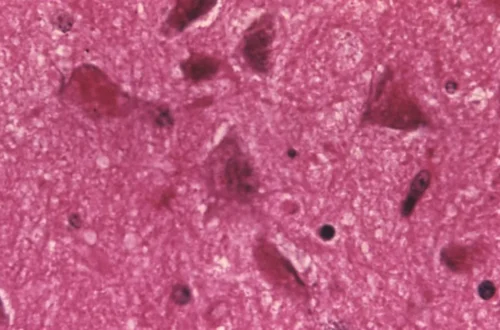
Officials emphasized that rabies can be prevented if treatment is given before symptoms start. That timing matters because the virus attacks the central nervous system and can quickly lead to brain inflammation.
What correct post-exposure treatment is supposed to include
The CDC said proper administration of rabies vaccine and human rabies immune globulin is critical. The vaccine helps the body build immunity, while the immune globulin gives immediate protection until that immune response develops.
Guidance from the agency says people who were previously vaccinated, or who are receiving pre-exposure prophylaxis for rabies, should not get human rabies immune globulin. That distinction matters because using the wrong product can create unnecessary risk and waste limited medical resources.
The CDC said following the recommended procedure helps ensure people who truly need lifesaving protection get it quickly. It also helps avoid extra costs and prevents treatment from being used where it is not needed.
Common mistakes reported by health departments
The CDC listed several errors health departments have seen. Those included giving the vaccine in the buttocks, failing to place immune globulin around wounds, and injecting both products at the same site.
Other mistakes included leaving out immune globulin when it was needed, giving it to patients who had already been vaccinated, and restarting vaccine series after a scheduling delay. The agency said those errors can reduce the effectiveness of treatment or complicate care.
Because rabies is nearly always fatal after symptoms appear, even small mistakes can have serious consequences. The CDC’s warning is aimed at helping clinicians avoid those errors before they happen.
Why the CDC says there is no shortage of rabies medicine
Despite the increase in inquiries and treatment problems, the CDC said there is no national shortage of rabies vaccine or immune globulin. Still, it warned that unnecessary treatment and avoidable mistakes can create pressure on supplies.
The agency said adverse effects can also result when the medicines are used incorrectly. That is one reason it is urging providers to review administration guidance carefully and give post-exposure prophylaxis only when it is medically appropriate.
Officials said preserving supply matters because the medicines must remain available for people who truly need them after a real exposure. Avoiding extraneous treatment also reduces costs for patients and health systems.
How rabies spreads and why fast care matters
Rabies is a zoonotic disease, meaning it spreads from animals to humans. Infection can happen after a bite, a scratch, or contact with saliva from an infected animal. Once it reaches the nervous system, the disease can progress rapidly.
The CDC said the virus primarily attacks the central nervous system and often causes inflammation in the brain. If post-exposure treatment is not given before symptoms appear, the outcome is usually fatal.
That is why public health officials continue to stress immediate medical attention after a suspected exposure. Fast treatment can stop the infection before it becomes deadly.
Public health reminder for clinicians and patients after exposure
The CDC’s alert is meant to help doctors and health departments respond consistently as rabies-related cases and questions rise. It also serves as a reminder for patients to seek care quickly after any possible exposure from an animal.
For clinicians, the main message is to follow the guidance closely: use the right products, place them correctly, and avoid giving immune globulin to people who do not need it. For patients, the key is not to wait for symptoms, since treatment is only effective before the illness begins.
Health officials said the current pattern is a warning about both the danger of rabies and the importance of precise medical care. The disease remains rare, but when exposure happens, the response has to be immediate and exact.