HELENA, MT — A grizzly bear attacked an archery hunter Monday morning on state-owned land near Augusta, leaving the man with significant but not life-threatening injuries, according to Montana Fish, Wildlife & Parks.
The hunter was able to drive himself home after the attack and was later taken to Benefis Hospital in a private vehicle for treatment. Wildlife officials said the incident happened south of Augusta near Elk Creek and Haystack Butte, and the area has been closed to public access while the investigation continues.
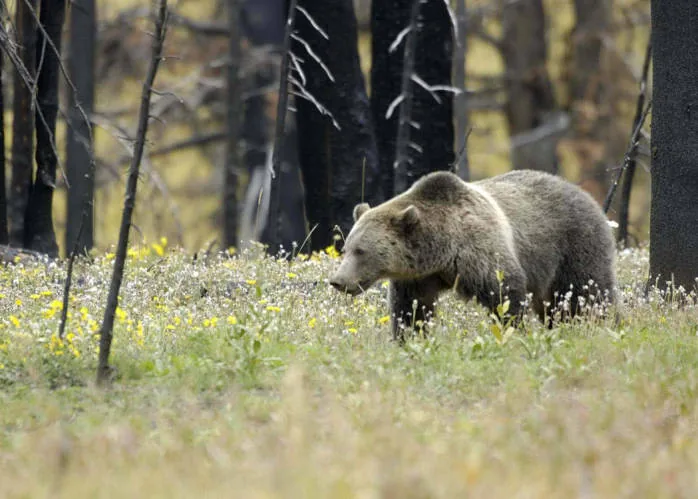
Montana Fish, Wildlife & Parks is working with federal officials to determine exactly what led to the attack. Investigators have identified the bear as a grizzly and found a cow carcass near the scene that they suspect was killed by a bear.
Investigators found a cow carcass near the attack scene
Officials said the attack took place on land owned by the state, in an area south of Augusta that is used by hunters and others who spend time in bear country. The location near Elk Creek and Haystack Butte is now off-limits to the public while agencies continue their review.
One detail drawing attention is the cow carcass discovered near where the hunter was attacked. Montana Fish, Wildlife & Parks said investigators suspect the animal was killed by a bear, which can heighten risk in the area because a carcass may attract additional wildlife.
The agency has not released more details about the circumstances of the encounter or the condition of the bear. For now, the focus remains on securing the site and understanding how the hunter came into contact with the grizzly.
The hunter got home before being taken to Benefis Hospital
After the attack, the hunter managed to drive himself home, an indication that he was still mobile despite the injuries. He was then transported by private vehicle to Benefis Hospital, where he received treatment.
Wildlife officials described the injuries as significant but not life-threatening. That distinction suggests a serious encounter without the victim being in immediate danger of losing his life, though the incident still underscores how quickly a bear encounter can turn dangerous in the field.
Montana Fish, Wildlife & Parks did not say whether anyone else was with the hunter at the time of the attack. The agency also has not said whether the hunter fired an arrow or otherwise tried to defend himself during the encounter.
This was Montana's second bear attack in two weeks
The Augusta attack came less than two weeks after a woman was significantly injured while walking her dog on a trail system near Columbia Falls on Aug. 30. Together, the two incidents highlight how active bear encounters can be in Montana during the late-summer season.
Montana is widely considered bear country, and officials routinely urge people outdoors to stay alert, especially in brushy areas and when hunting near food sources or carcasses. Grizzly bears can be more difficult to spot in thick cover, which increases the chance of a close encounter.
The recent attacks have also renewed attention on how quickly wildlife activity can intersect with recreation, hunting, and pet walking in parts of the state where bears are present.
FWP urges hunters to pack meat out quickly and stay alert
Montana Fish, Wildlife & Parks included several safety reminders for hunters in grizzly country. Among the main recommendations: pack meat out as soon as possible, avoid cutting up carcasses at dusk or at night, and use strong headlamps if you must work in the dark.
The agency also advises hunters to hang meat properly until game can be retrieved, leave any downed animal in an area that can be seen from a distance, and drag gut piles into open areas at least 100 yards from the carcass as soon as possible.
If a bear has claimed an animal, officials say hunters should not try to haze or frighten it away and should report lost game to FWP. That guidance is meant to reduce the chance of a second confrontation with an already food-focused bear.
Bird hunters and dog owners are told to use extra caution
The department said bird hunters should be especially careful in brushy places and along waterways, where grizzlies may use thick cover for day beds. FWP recommends walking with the wind, carrying bear spray, and keeping a close eye on hunting dogs.
Officials also said that if there is abundant fresh sign of grizzly bears in an area, hunters should consider going somewhere else. That advice is aimed at helping people avoid entering an active bear area rather than reacting after a dangerous encounter begins.
FWP points hunters to its safety guide, How to Hunt Safely in Grizzly Bear Country, for more detailed precautions. The agency’s message is straightforward: in bear country, planning ahead and staying alert can make the difference between a normal day outdoors and a serious injury.