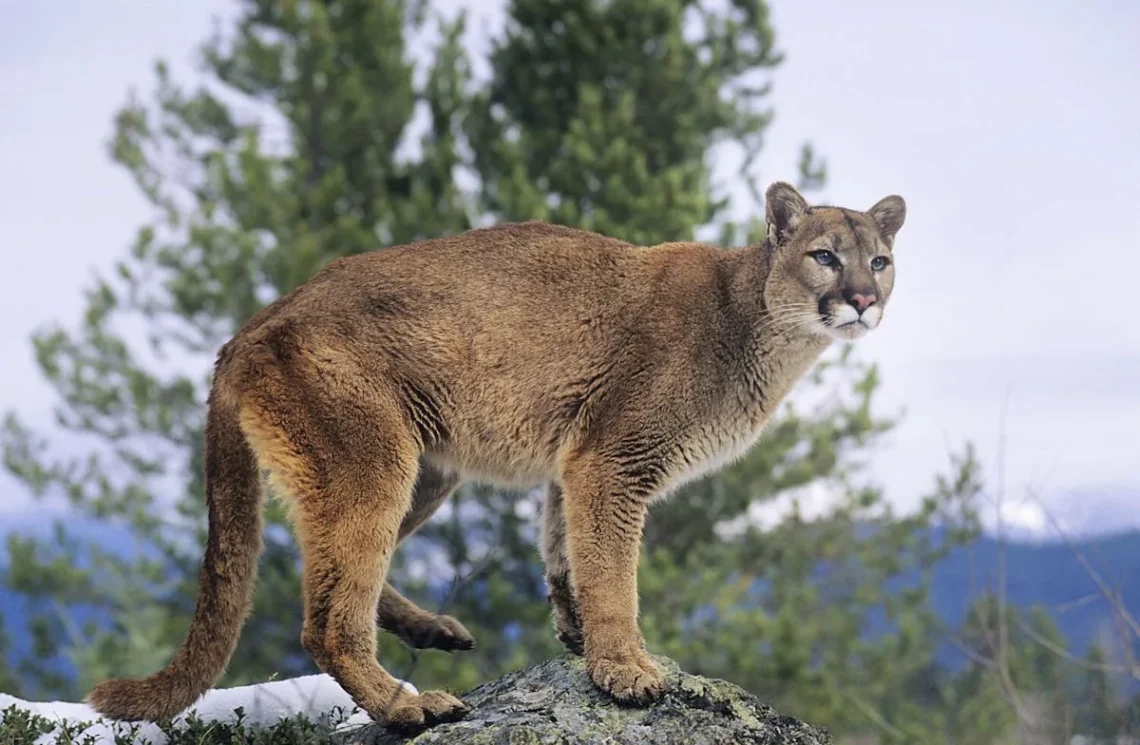
CASTROVILLE, TX — Officials in a San Antonio-area community say they received a report of a possible mountain lion near the creek at Regional Park on Saturday morning.
The Castroville Parks and Recreation department posted the alert on social media and said it did not have any additional information at the time. The department said it would share updates as soon as possible if more details became available.
There has been no confirmation that the animal was actually a mountain lion, but the report was enough to raise concern in the area. Local officials and state wildlife experts say such sightings are uncommon, but they do happen when the cats wander far from their normal range.
Where mountain lions usually live in Texas
Texas Tech University’s Natural Science Research Laboratory says mountain lions are typically found in the remote desert mountain ranges of the Trans-Pecos region in West Texas, especially around the Big Bend area. That region is far from the San Antonio area and is known as the cat’s core habitat in the state.
Even so, mountain lions do not always stay in one place. Texas Parks and Wildlife Department officials say the animals can travel long distances, and young males are especially likely to roam as they search for a home range. That movement can occasionally bring them into places where people do not expect to see them.
The cat reported near Castroville fits that broader pattern of a possible transient animal, though wildlife officials have not identified the creature in this case. Because mountain lions are naturally elusive, a roaming animal may pass through quickly and never be seen again.
What state wildlife officials say about the risk to people and pets
The Texas Parks and Wildlife Department says attacks on people or pets are highly unlikely. Even so, officials recommend that residents take common-sense precautions when living or recreating in areas where a big cat might be present.
Those steps include keeping pets indoors at night and avoiding leaving food or trash outside. Wildlife officials say attractants around a home can increase the chance that animals will move closer to people, especially after dark.
Residents should also be aware of their surroundings while walking near brush, creek beds or other areas that could provide cover for a large animal. The goal is not to panic, but to reduce the chances of surprising a mountain lion if one is in the area.
How to respond if you see a mountain lion
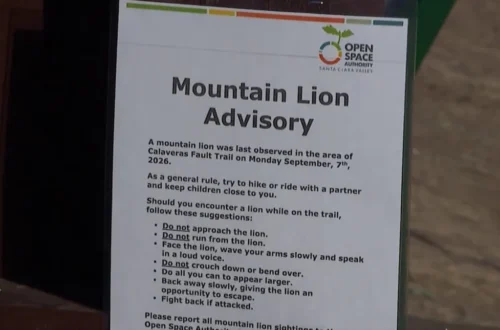
Texas Parks and Wildlife Department guidance is clear: do not run if you encounter a mountain lion. Running can trigger a chase response in many animals and may make the situation more dangerous.
Instead, officials recommend making yourself appear as large as possible. That can include raising your arms or standing tall while keeping your eyes on the animal. Loud noises can also help discourage the cat from approaching.
TPWD also advises people to throw rocks or other objects if needed to scare the animal away. The department’s advice is meant to create distance and give the animal a reason to leave without escalating the encounter.
A rare sighting, but not impossible in East Texas communities
Mountain lions are far more commonly associated with West Texas, but Texas wildlife officials have documented animals turning up farther east. TPWD has previously documented a mountain lion in Rowlett, a Dallas-area city, where biologists believed the cat was a transient juvenile male passing through.
That example shows why wildlife officials do not rule out occasional sightings outside the species’ usual territory. A roaming mountain lion can move through a community without lingering, especially if it is alone and searching for territory.
For Castroville residents, the key point is that the report remains unconfirmed. Even so, the sighting report serves as a reminder that people who live near open land, drainage corridors or creek systems should stay alert and follow wildlife safety advice if they spot a big cat.
Why residents are being urged to stay alert after the report
The Castroville alert did not say whether officials had found tracks, photos or other evidence to support the report. For now, the animal remains unknown, and local officials have not said that any person or pet was harmed.
Still, the department’s public notice reflects a cautious approach that wildlife experts often recommend after a possible sighting. Quick warnings can help residents avoid unnecessary risk while officials continue to assess the situation.
Until there is more information, the practical advice remains the same: keep pets close, secure garbage and food sources, and avoid surprising wildlife near creeks or brushy areas. If a mountain lion is seen, residents are advised to stand their ground, make noise and try to drive the animal away without running.