WASHINGTON, DC — Venomous snakes are part of the landscape in many parts of the United States, especially in the South, Southwest, and East. Most people will never be bitten, but the species that do cause harm can produce severe pain, tissue damage, breathing trouble, and in rare cases death.
Experts say the biggest risk comes from accidental encounters, not aggressive hunting by the snake. The safest approach is simple: watch where you step, look before you reach, and give snakes room to move away. Knowing which species are most dangerous can also help people respond correctly if a bite happens.
Copperheads are common in the Southeast and usually rely on camouflage
Copperheads are widespread in the American Southeast and are among the most familiar venomous snakes people may encounter. They are usually smaller than many other dangerous snakes, with adults sometimes reaching about 3 feet. Their tan, brown, bronze, or copper-toned crossbands help them blend into woodland floors, swamp edges, stone ledges, and wood piles.
Although copperheads are generally timid, a bite can still cause severe pain, swelling, muscle spasms, nausea, stomach cramping, and allergic reactions. Bites are uncommon and rarely fatal, and adult copperheads sometimes deliver “dry bites,” meaning little or no venom. Even so, any suspected bite should be treated as a medical emergency.
Cottonmouths defend wet habitats and can cause serious tissue damage
Cottonmouths, also called water moccasins, live mainly in the Southeast and favor swamps, lakes, slow-moving rivers, and similar water habitats. They are the only semi-aquatic vipers and can grow much larger than copperheads, with lengths of 6 feet confirmed. Their dark brown or black coloring and lighter crossbands make them look formidable, and they are often described as more aggressive than other snakes.
The venom of a cottonmouth can produce deep bruising, intense pain, swelling, trouble breathing, tissue death, and heavy bleeding because it interferes with blood clotting. In severe cases, the bite can leave permanent scarring or lead to amputation of an extremity. The combination of size, habitat, and venom makes this snake one of the most dangerous in the region.
Diamondback rattlesnakes are among the largest and most dangerous vipers
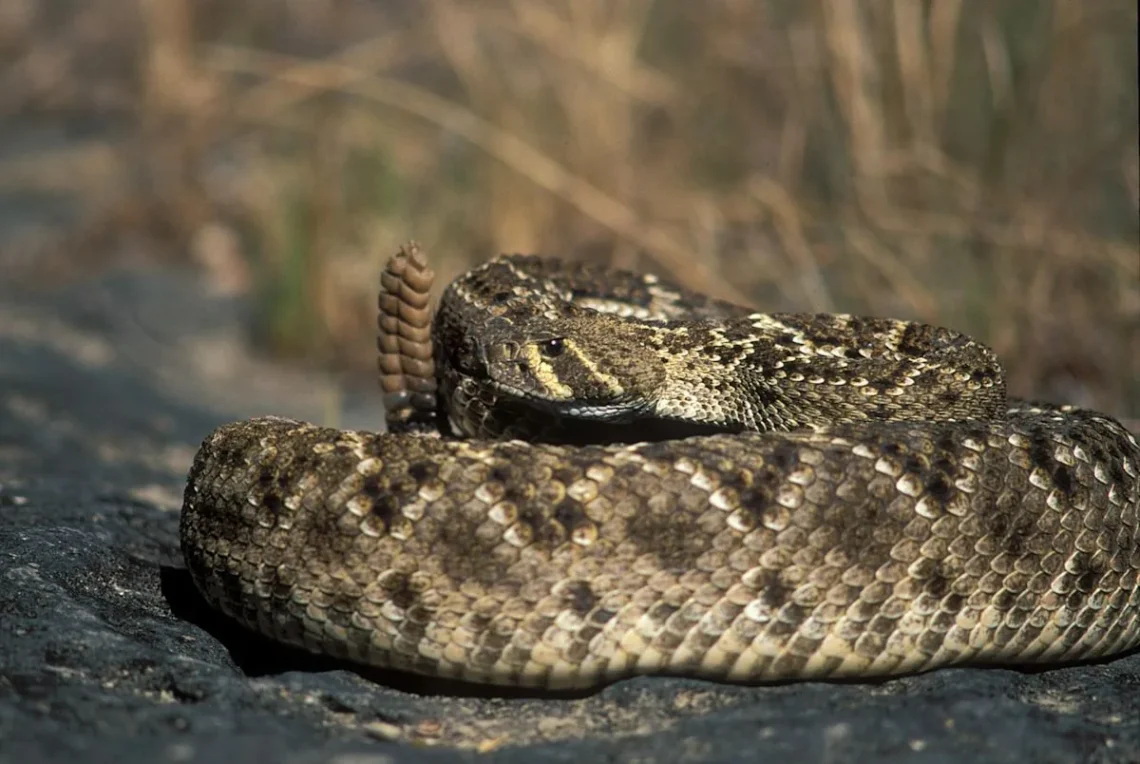
The eastern diamondback rattlesnake lives across the Southeastern United States and is one of the largest native snakes in North America. Large specimens can exceed 8 feet and weigh more than 30 pounds. Its back is marked by diamond-shaped brown and gray patterns, and it tends to use ambush tactics in forests, palmetto groves, marshes, and grassy areas.
A bite from this snake can deliver a heavy dose of venom through large fangs. Symptoms may include severe bleeding, muscle spasms, pain, nausea, vomiting, and abdominal cramping. When antivenom is not available, fatality rates can exceed 25% in bite cases. The western diamondback, found in the Southwest, can also cause severe bleeding, swelling, bruising, blisters, dizziness, diarrhea, and other major effects.
Tiger rattlesnakes and timber rattlesnakes are smaller but still dangerous
The tiger rattlesnake of the American Southwest and Northern Mexico is smaller than some other rattlesnake species, usually staying under 3 feet. Even so, its venom is considered among the most toxic of U.S. rattlesnakes on a gram-for-gram basis. Its venom contains neurotoxins and myotoxins, and bites can cause pain and swelling, with children and smaller adults facing greater danger.
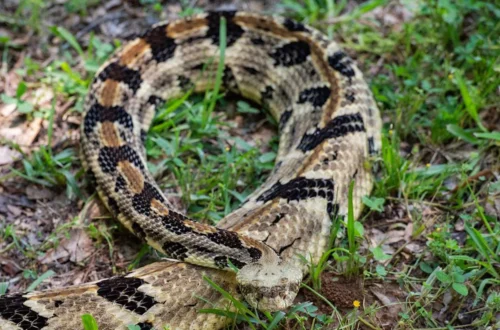
Timber rattlesnakes, found in the eastern United States, are larger snakes that can reach about 5 feet. They prefer rocky woodland terrain and usually avoid people. Their bites can cause pain, swelling, blood clots, chest pain, nausea, vomiting, and diarrhea. Fatal bites are rare, but the injury can still be severe and requires prompt treatment.
Coral snakes and Mojave rattlesnakes can cause life-threatening symptoms quickly
The eastern coral snake is a dangerous species in the Southeast and is often confused with harmless look-alikes that share red, yellow, and black bands. A common rhyme is used to help distinguish them: when red touches yellow, it is a coral snake. Coral snakes are not usually aggressive, but their venom can be deadly without medical care and the correct antivenom.
The Mojave rattlesnake, found in the American Southwest and Central Mexico, is regarded as the deadliest native snake species in North America. Its bite symptoms may be delayed for hours, which can give victims a false sense of safety. Trouble seeing, breathing, and swallowing can follow, along with weakness, spasms, and severe pain. Without treatment, the venom can lead to cardiac arrest or respiratory failure.
Experts say avoidance and quick medical care matter more than panic
Safety guidance from wildlife experts is straightforward: make noise while walking in snake country, use a walking stick to check vegetation, and watch carefully before stepping into grass, brush, or rocky areas. Most venomous bites happen below the knee, often when a snake is stepped on or startled. People should also be careful where they place their hands around logs, rocks, and wood piles.
If a bite happens, the advice is to stay calm, move away from the snake, remove rings and watches, cover the bite with a clean dressing, and get to a hospital right away. People should not cut the wound, suck out venom, apply ice, or use a tourniquet. The CDC says the United States averages more than 7,000 venomous snake bites a year, but deaths are rare at about five annually.