ATLANTA, GA — The Centers for Disease Control and Prevention has issued a health advisory warning that reported rabies exposures have climbed sharply across the United States this summer. The agency said it saw a 17% increase in rabies-related inquiries from July through August compared with the same period in 2025.
The alert also points to more people receiving rabies post-exposure treatment, along with mistakes in how that treatment is being given. The CDC says the situation is especially concerning because rabies is almost always fatal once symptoms begin, even though prompt care can prevent infection after a possible exposure.
Officials urged clinicians to evaluate bite and exposure risks carefully and to follow treatment instructions exactly. The advisory says supplies of rabies vaccine and rabies immunoglobulin are available in the United States.
CDC says more people are seeking care after animal exposures
According to the agency’s Health Alert Network advisory, reports of animal exposures and rabies post-exposure vaccinations have increased nationwide during the summer of 2026. Weekly pharmacy data through Sept. 2 showed an estimated 33% increase in use of the two licensed U.S. rabies vaccines, Imovax and RabAvert, compared with the same time last year.
Use of the two licensed human rabies immunoglobulin products, KEDRAB and HyperRab, rose even more sharply, up 76% over the same comparison window. The CDC said at least eight state health departments have reported increases in treatment use, treatment errors, or both since July.
The agency said the pattern reflects both more exposures and more people seeking prevention after contact with animals that were rabid or possibly rabid.
Treatment mistakes are becoming part of the warning
The CDC said several recent administration errors have been reported by state health departments. Those included vaccine shots being placed in the gluteal area instead of the recommended site, failure to inject immunoglobulin directly into and around the wound, and cases where immunoglobulin was mixed with vaccine in the same syringe.
Those mistakes matter because rabies prevention depends on giving the right products correctly and quickly. The CDC said proper administration protects patients while avoiding unnecessary treatment, added costs, and pressure on limited supplies.
At the same time, the agency stressed that there is no current shortage of rabies vaccine or rabies immunoglobulin in the country. Its message was that clinicians should neither overlook true exposures nor give treatment in the wrong way.
North Carolina petting zoo outbreak helped trigger the alert
The CDC’s warning came after a rabies outbreak at a petting zoo in North Carolina, where baby goats tested positive for the virus less than two weeks before the advisory was issued. Officials said hundreds of visitors may have been exposed during that incident.
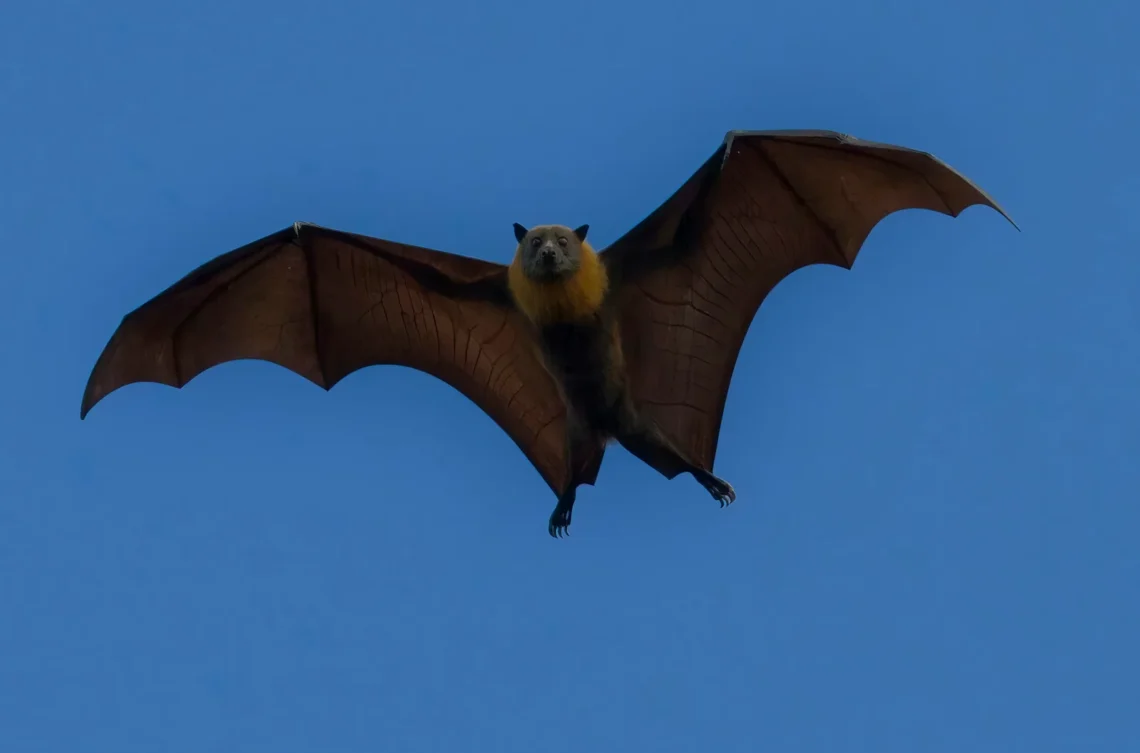
Other recent animal cases mentioned in connection with the advisory include a rabid raccoon in Suffolk, Virginia; a dog in Mire, Louisiana; multiple rabid cats and skunks in Elmira, New York; and a bat found earlier this year in a shower house at Yosemite National Park.
The examples show how rabies can surface in different settings, from domestic animals to wildlife, and why public health agencies are urging fast follow-up after any suspicious contact.
Why rabies remains a serious medical emergency
Rabies is a virus that attacks the central nervous system and is nearly always fatal once symptoms appear. But the CDC says the disease is considered almost entirely preventable if post-exposure treatment begins before symptoms start.
The usual regimen includes immediate human rabies immune globulin to provide early protection, followed by at least four vaccine doses over several weeks. When given promptly and correctly, the CDC says the treatment is nearly 100% effective after a potential exposure.
The agency also noted that people who were previously vaccinated, or who are receiving pre-exposure prophylaxis, should not receive human rabies immune globulin.
What to do after a bite, scratch, or other possible exposure
CDC guidance says anyone bitten, scratched, or otherwise potentially exposed to a wild or unusually behaving animal should take the situation seriously, even if the injury looks minor. The first step is to wash the wound thoroughly with soap and water for a full 15 minutes.
After that, the agency advises contacting a health care provider or local public health department the same day to decide whether treatment is needed. Officials say people should not wait to see whether symptoms develop before seeking help.
The CDC says about 100,000 people in the United States receive rabies post-exposure prophylaxis each year, out of roughly 1.4 million who seek medical evaluation after some kind of animal contact.