NEW YORK, NY — Beach trips usually bring concerns about rip currents, rough surf and sharks, but some U.S. shorelines also have a less expected hazard: venomous snakes. Coastal snakes are not typically looking for people, yet they can be present in dunes, marshes and other habitat close to the beach.
Wildlife researchers and park officials say the safest approach is to keep a careful distance from snakes if one is spotted, and never try to touch or move it. The animals may bite if they feel threatened or are handled.
Pensacola Beach has seen eastern diamondbacks near Fort Pickens
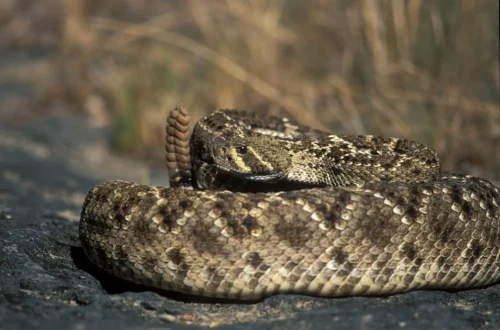
Among the beaches highlighted is Pensacola Beach, where eastern diamondback rattlesnakes can be found in coastal areas around Fort Pickens. WorldAtlas reported that three eastern diamondbacks were spotted there in a single week in 2018, including one that was seen swimming in the Gulf of America.
The National Park Service says the eastern diamondback is native to Gulf Islands National Seashore and can live in coastal dune habitat. That means beachgoers may encounter the species away from the open water, especially in protected dune areas and other places with thicker vegetation.
Georgia and South Carolina barrier islands also support rattlesnakes
Eastern diamondbacks are not limited to Florida. WorldAtlas says they also inhabit parts of the Georgia and South Carolina coasts, including sea islands farther up the shoreline.
The snakes have been documented in South Carolina’s ACE Basin, where they use maritime forests, dune scrub and palmetto thickets. Those settings are common along barrier islands and can put people closer to snake habitat than they may realize when walking near the beach edge.
Texas coast brings western diamondbacks and cottonmouths into wet coastal habitat
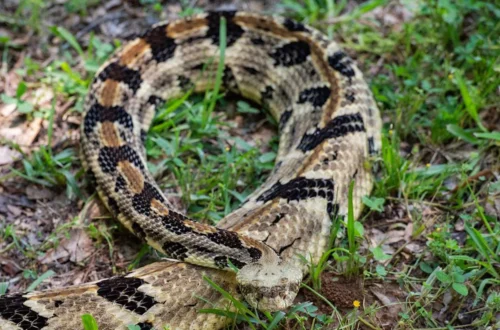
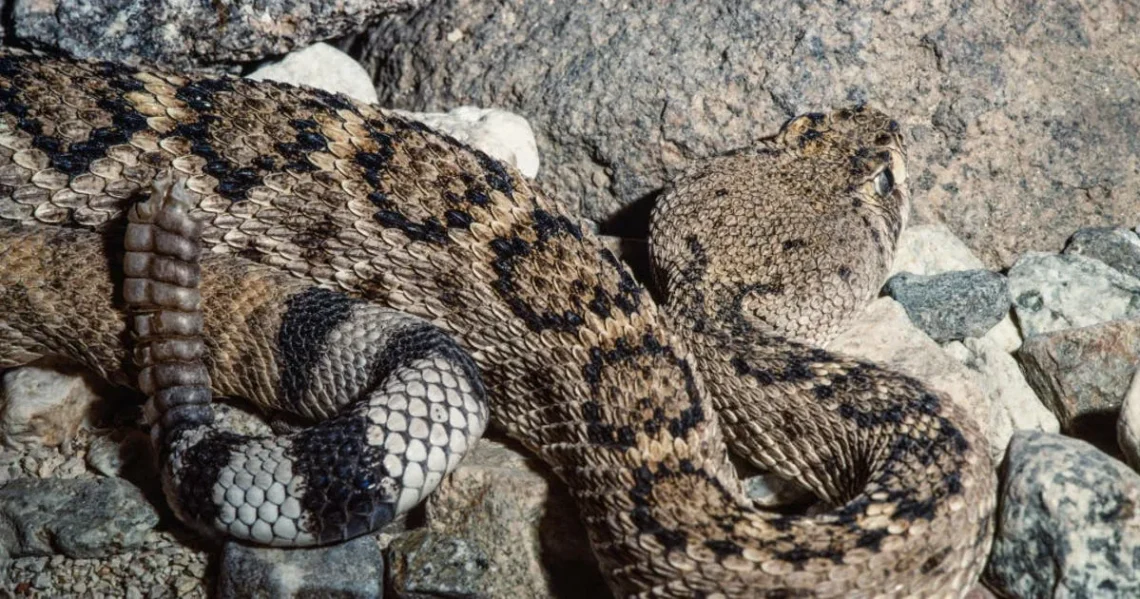
Farther west along the Gulf Coast, the snake mix changes. WorldAtlas reports that western diamondbacks are found along the Texas coast, while cottonmouths live in coastal marshes and other wet habitats.
Those species are generally associated with dunes, scrub and marshland behind the beach rather than the open sand itself. Even so, the combination of wetlands and shoreline vegetation can create places where snakes and people share the same coastal space.
Southern California has rare sightings of yellow-bellied sea snakes
Southern California beaches have also recorded rare appearances of the yellow-bellied sea snake, a highly venomous marine species that normally lives in tropical waters. WorldAtlas reports sightings at Silver Strand Beach in Oxnard, Bolsa Chica State Beach and Coronado Dog Beach.
The Natural History Museum of Los Angeles County has documented those uncommon California appearances as well, with several linked to El Niño events. Unlike the rattlesnakes found in Gulf and Southeast coastal habitats, this snake lives in the ocean and is not a regular inland beach resident.
How beachgoers can reduce the risk of a snake encounter
The main safety message from wildlife experts is simple: do not handle or corner a snake. Most snakes prefer to avoid people, and many bites happen when someone tries to pick one up or gets too close.
Visitors should watch where they step in dunes, marsh edges and overgrown coastal areas, especially where visibility is limited. Staying on marked paths, giving snakes space and alerting local authorities or park staff when a venomous snake is seen can help reduce the chance of a bite.