NEW YORK, NY — Beach trips usually bring thoughts of tides, sunscreen and rough surf, not snakes. But several U.S. coastal areas are home to venomous species that live in dunes, marshes and other habitats close to the shoreline. That makes some beaches a place where visitors may cross paths with animals they did not expect to see.
Snakes generally try to avoid people, but they can bite if they are threatened or handled. Wildlife officials and natural history organizations cited in coastal reports say the best approach is to give snakes space and watch where you step, especially in less-developed stretches of beach and nearby vegetation.
Pensacola Beach and nearby Gulf Islands can bring eastern diamondbacks close to the sand
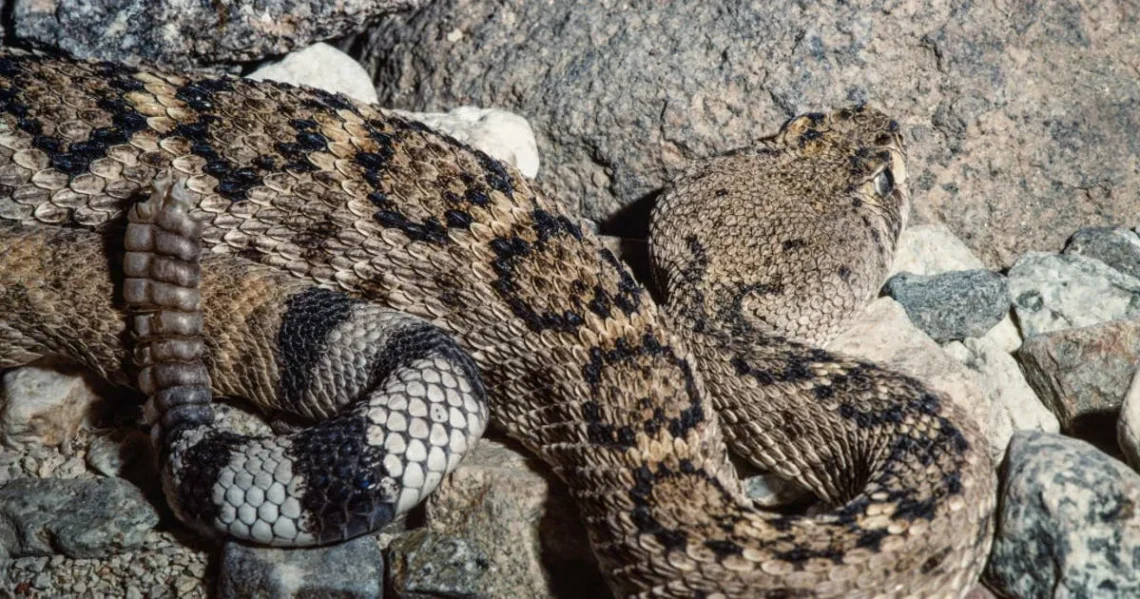
Along the Florida Panhandle, eastern diamondback rattlesnakes are found in coastal areas around Pensacola Beach. WorldAtlas reported that three eastern diamondbacks were spotted around Fort Pickens in one week in 2018, and one was seen swimming in the Gulf of America.
The National Park Service says the eastern diamondback is native to Gulf Islands National Seashore and can live in coastal dune habitats. That means beachgoers may encounter the snakes not only in wooded areas, but also in the sandy edges of protected shorelines and surrounding dunes.
Because the snakes can blend into scrub and dune cover, officials generally urge visitors to stay on marked paths and avoid reaching into tall grass, brush or debris piles where animals may be hiding.
Georgia and South Carolina barrier islands support snakes in dunes, forests and thickets
Eastern diamondbacks also inhabit parts of the Georgia and South Carolina coast. WorldAtlas noted documented sightings on sea islands farther up the Atlantic coast, including in South Carolina’s ACE Basin. These coastal islands offer several hiding places that can keep snakes out of sight until people get very close.
The species uses maritime forests, dune scrub and palmetto thickets. Those habitats can sit just behind the open beach, which means a short walk inland may bring visitors into areas where snakes are more likely to be present.
Beachgoers in these regions are often advised to stay aware when moving through vegetation, especially around boardwalks, access trails and places where dunes meet thicker plant growth.
Texas Gulf Coast beaches have western diamondbacks and cottonmouths nearby
Farther west on the Gulf Coast, the species mix changes. WorldAtlas reported that western diamondbacks are found along the Texas coast, while cottonmouths live in coastal marshes and other wet habitats. These snakes are generally associated with dunes, scrub and marshes behind the beach rather than the open sand.
That distinction matters for visitors who assume the beach ends at the waterline. Marsh edges, drainage areas and dense vegetation just inland can be better hiding places for snakes than the broad, sunlit beach itself.
People walking dogs, exploring inlet areas or moving through tall grass near the coast may have a greater chance of crossing paths with a snake than someone staying on the dry, open sand.
Rare yellow-bellied sea snake sightings have been recorded on Southern California beaches
Southern California has also recorded rare appearances of the yellow-bellied sea snake, a highly venomous marine species. WorldAtlas reported sightings at Silver Strand Beach in Oxnard, Bolsa Chica State Beach and Coronado Dog Beach. The Natural History Museum of Los Angeles County has documented several California appearances, including some linked to El Niño events.
Unlike rattlesnakes along the Gulf and Southeast coasts, the yellow-bellied sea snake normally lives in tropical waters. Its presence on California beaches is unusual, but the records show that marine conditions can sometimes carry the species far from its usual range.
That makes it important for swimmers and beach walkers to avoid touching unusual marine animals that wash ashore or float nearby, no matter how small or harmless they may look.
Simple precautions can reduce the chance of a dangerous snake encounter
The coastal snake habitats described in wildlife and park reports point to a few basic safety steps. Visitors should watch where they step, keep away from tall grass and brush, and avoid putting hands or feet into areas they cannot clearly see. Snakes are more likely to strike if they feel trapped or threatened.
It also helps to keep pets close, since dogs can wander into dunes, marsh edges and thick vegetation where snakes may be resting. If a snake is seen on a beach or trail, the safest response is to back away and let it move on.
Because many of these animals are camouflaged, caution matters even on familiar beaches. The most effective way to avoid a bite is to treat dune lines, marsh borders and other coastal cover as wildlife habitat, not open recreation space.
Why these snakes show up near beaches in the first place
Coastal environments offer snakes food, cover and warmer terrain, which is why several venomous species make homes in beach-adjacent habitats. Dunes, marshes, scrub and maritime forests can all provide the shelter they need, even when the open sand looks empty.
That pattern explains why sightings often happen near protected seashores, barrier islands and coastal preserves rather than on crowded stretches of beach. In many places, the most important lesson is that the shoreline is shared space between people and wildlife.
For beachgoers, the takeaway is not alarm but awareness. Knowing which habitats can hold venomous snakes can make a visit safer and help prevent a surprise encounter on a coastal walk or family outing.