MIAMI, FL — Florida’s 2026 Python Challenge turned up far more hatchling Burmese pythons than the large adults many hunters hope to find, a result that wildlife officials say points to a continuing breeding problem in South Florida.
The 10-day event ended in mid-July and was shifted to summer so hunters could target young snakes during hatchling season. Florida Fish & Wildlife Conservation Commission spokeswoman Lisa Thompson said the goal is to remove small pythons before they can do serious damage to the ecosystem.
One hunter, Tom Rahill, won the $10,000 prize after catching 96 pythons. Another contestant, Rahm Levinson, took the prize for the longest snake with a 16-foot, 5-inch Burmese python.
Summer timing is meant to catch hatchlings before they grow
Officials moved the contest from its traditional timing to summer for a practical reason: that is when hatchlings are most likely to be out in the environment. Thompson said the change gives hunters a chance to remove smaller snakes before they become harder to manage.
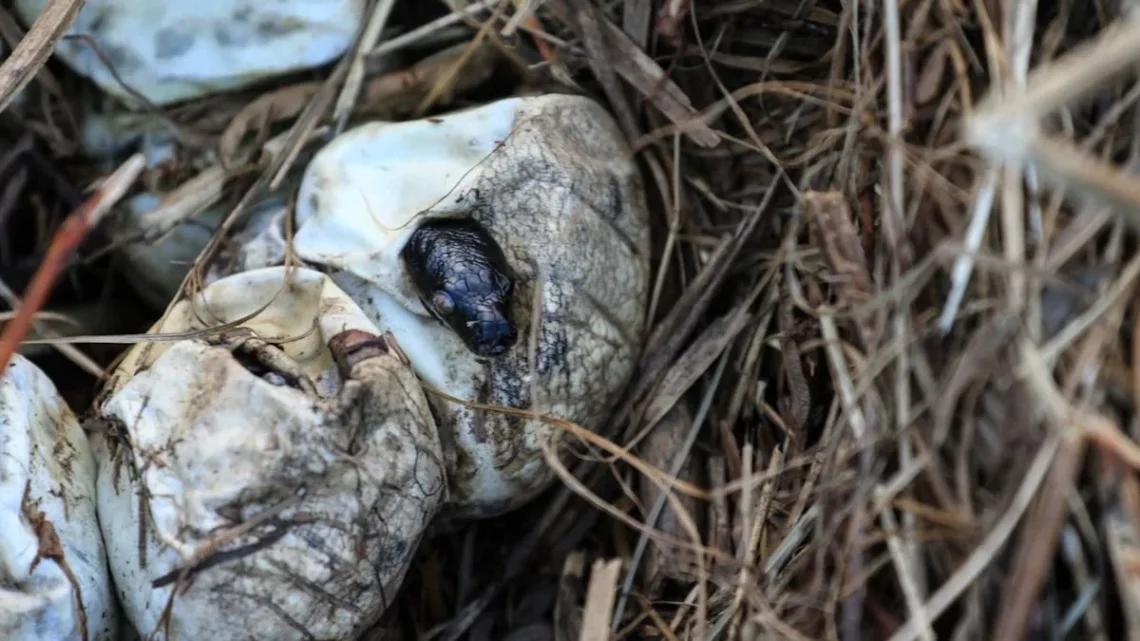
WGCU reported that hatchlings are roughly 16 to 24 inches long. The idea is not just to count snakes, but to interrupt the life cycle of an invasive species that has become deeply established in South Florida.
Wildlife officials say that early removal matters because each small snake that is taken out now is one less animal that can grow, spread and eventually reproduce. The summer hunt reflects a shift toward prevention rather than waiting for large pythons to become easier to spot.
Prize winners found snakes in and around Everglades National Park
WGCU reported that Everglades National Park was added to the hunt area this year, expanding where participants could search for invasive snakes. That addition helped shape the contest’s results, including the top prize-winning catches.
Rahill told FOX 13 Tampa Bay that his haul came after he found a nest he described as “a Medusa party.” His 96 snakes were enough to earn the challenge’s top cash prize. Levinson’s 16-foot, 5-inch Burmese python won him the longest-snake award and a $1,000 prize.
The presence of prize-winning pythons in the park shows how widely the species has spread. It also highlights why officials have focused so much attention on nests, juveniles and egg clutches rather than only on big snakes.
Most of the logged snakes were juveniles, not adults
Officials said hatchlings made up the majority of the pythons caught and logged during the contest. Thompson said the overall tally also included at least 100 more juveniles, further reinforcing how many young snakes are being produced in the region.
Since 2017, hunters have removed more than 1,600 pythons in the challenges, according to WGCU. Even with that total, the summer count suggests the breeding population remains strong enough to keep producing new snakes in large numbers.
The contest is intended to draw attention to the impact invasive species have in South Florida. Officials have said it is not designed to sharply reduce the total number of constrictors on its own, but to support broader control efforts.
Why wildlife officials focus on eggs, nests and young pythons
The hatchling-heavy results fit with a broader strategy aimed at interrupting reproduction before snakes mature. Officials say removing young pythons from the wild is one of the best ways to slow future population growth.
That approach matters because Burmese pythons are still breeding across the region. The challenge’s findings add to concerns that the Everglades remain a major source of new snakes, even after years of removal efforts.
Invasive pythons can be difficult to detect once they are established, especially as they grow larger and move through marshes and other dense habitat. Taking out hatchlings and eggs is seen as a way to reduce the number of future adults that will be able to reproduce.
What the challenge says about the Everglades invasion
The 2026 contest offered a snapshot of a larger environmental problem: Burmese pythons are still spreading and reproducing in South Florida. The number of hatchlings found during the event suggests the invasive population remains active and resilient.
That is why crews and hunters are putting more emphasis on nests, eggs and juvenile snakes. Officials and wildlife observers view those stages as the best chance to limit the next wave of breeding adults before they add to the problem.
For Florida, the challenge is as much about awareness as removal. The snake counts, prize winners and nest finds all point to the same underlying issue: the Everglades continue to generate new pythons faster than simple one-time hunts can solve.